
Run staff rosters, medical supplies, purchasing and accounts for every facility in one cloud platform. Dexter Plus handles the business side of healthcare, so clinical teams spend less time on paperwork.
Behind every clinic and hospital is a back office juggling shifts, supplies and costs across several sites.
Covering every shift, day and night, means constant last-minute changes and gaps.
Consumables are tracked differently in each store, so shortages show up at the worst time.
Each facility keeps its own figures, and the group view is rebuilt by hand every month.
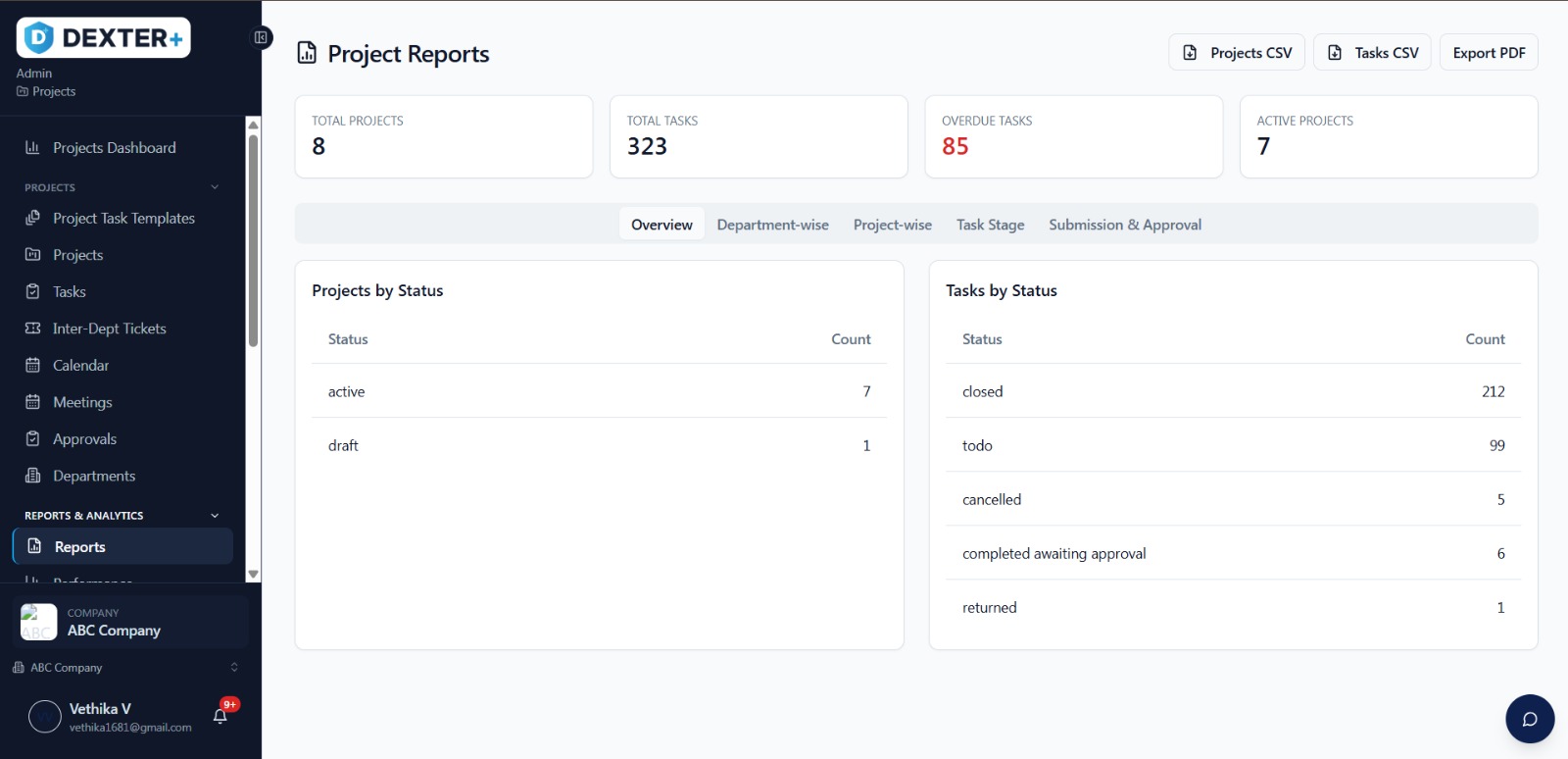
Create shifts and work schedules for every department in Dexter Resource, and track check-ins, absences and leave in real time. Onboarding documents are collected and tracked before a new team member starts. With WorkTrack by Dexter AI connected, managers can match staff to shifts by skill and availability, and approve the final roster themselves. Workload tracking also flags anyone heading toward overload, so the same people are not always covering the hardest shifts.
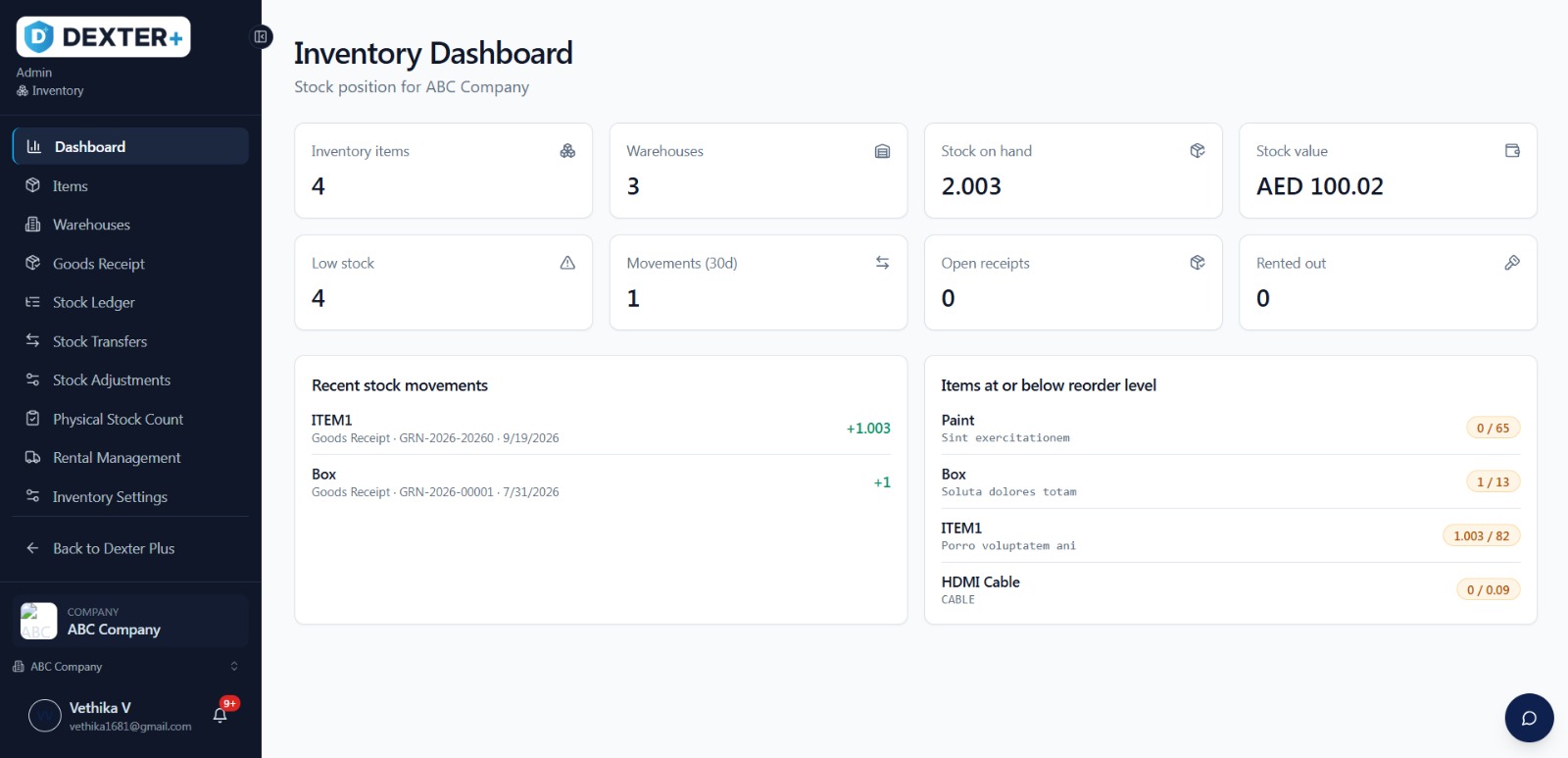
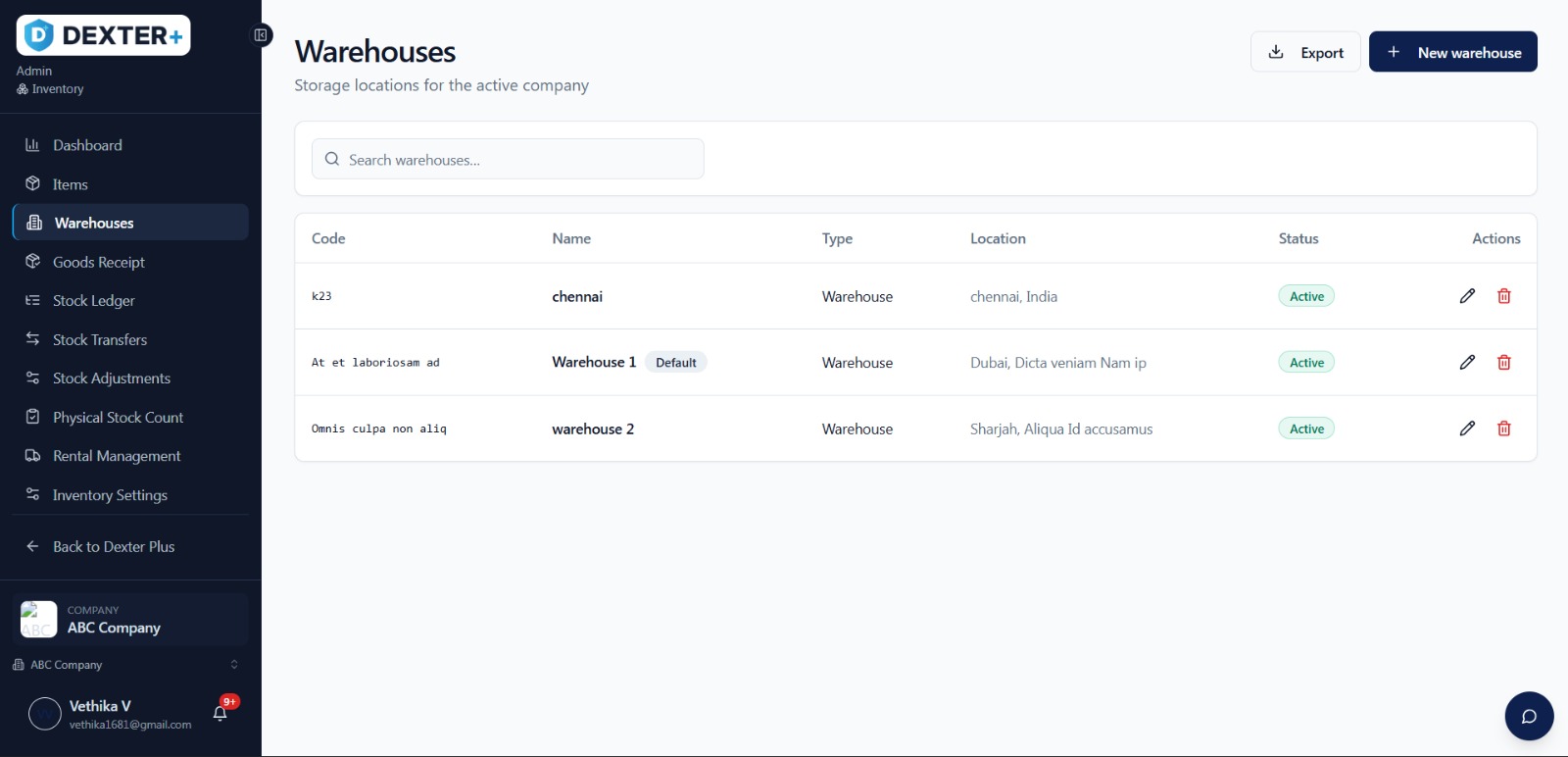
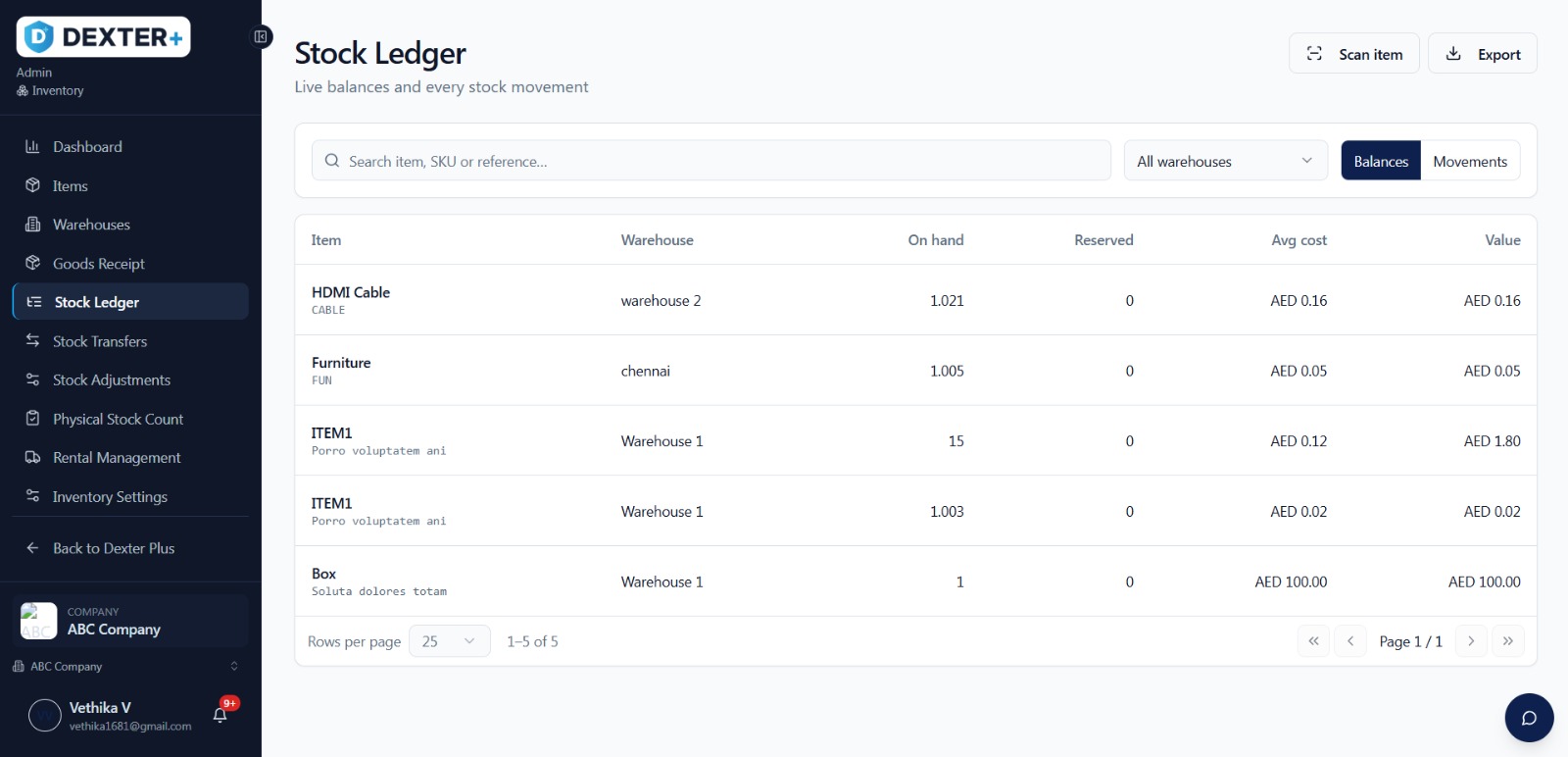
Track consumables and supplies across central stores and branches in Dexter StockFlow. Record deliveries with goods receipts, move stock between facilities with transfers, and run regular physical counts, with adjustments recorded for damage or loss. The inventory dashboard flags low-stock items before a shortage reaches the ward.
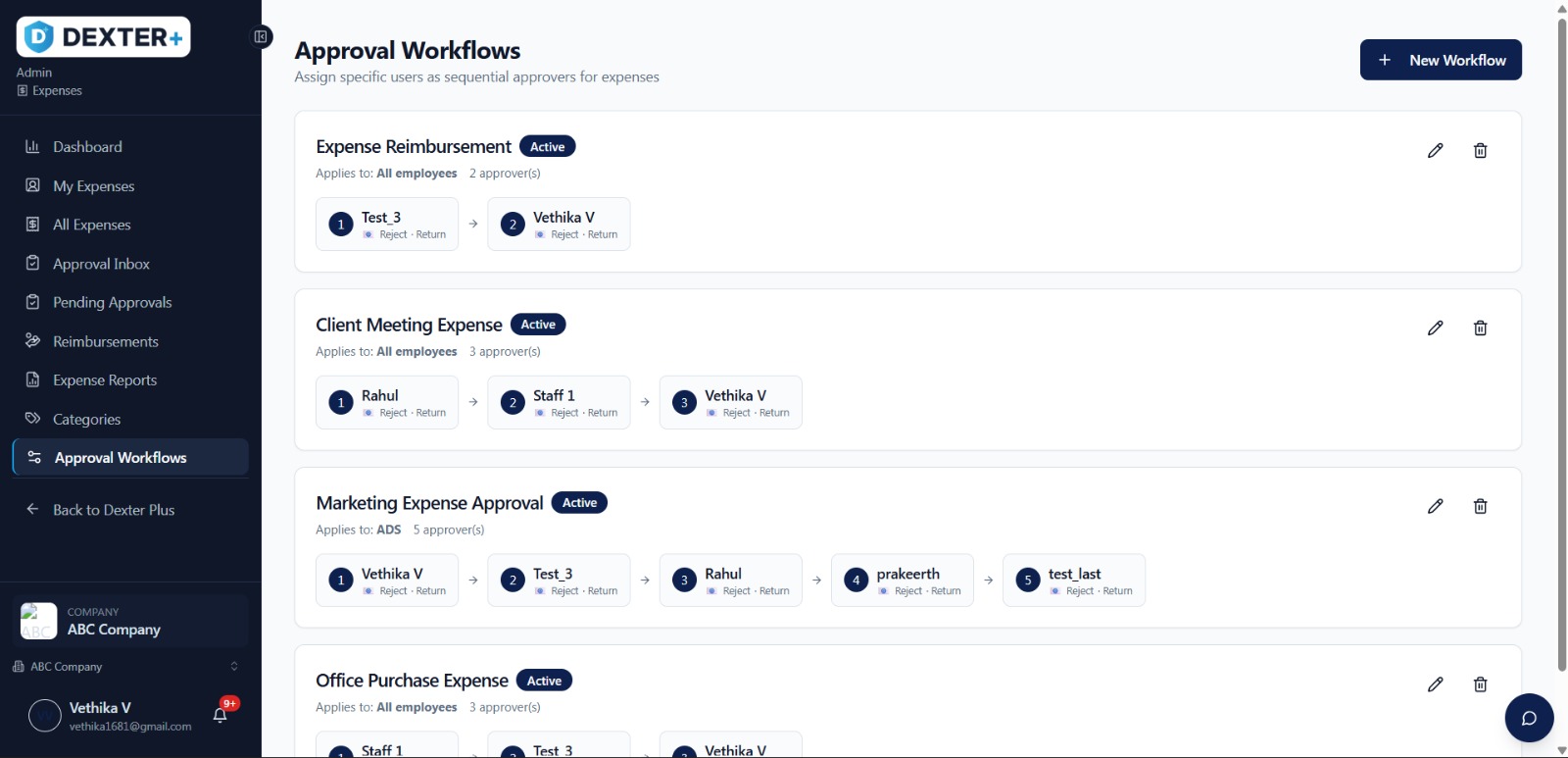
Raise purchase requests, route them for approval and convert them into purchase orders in Dexter Finance. Record supplier bills against each order, and use multi-step approval rules in Dexter Core so spending always reaches the right decision-maker. Every approval is recorded in the audit log, ready for internal reviews.
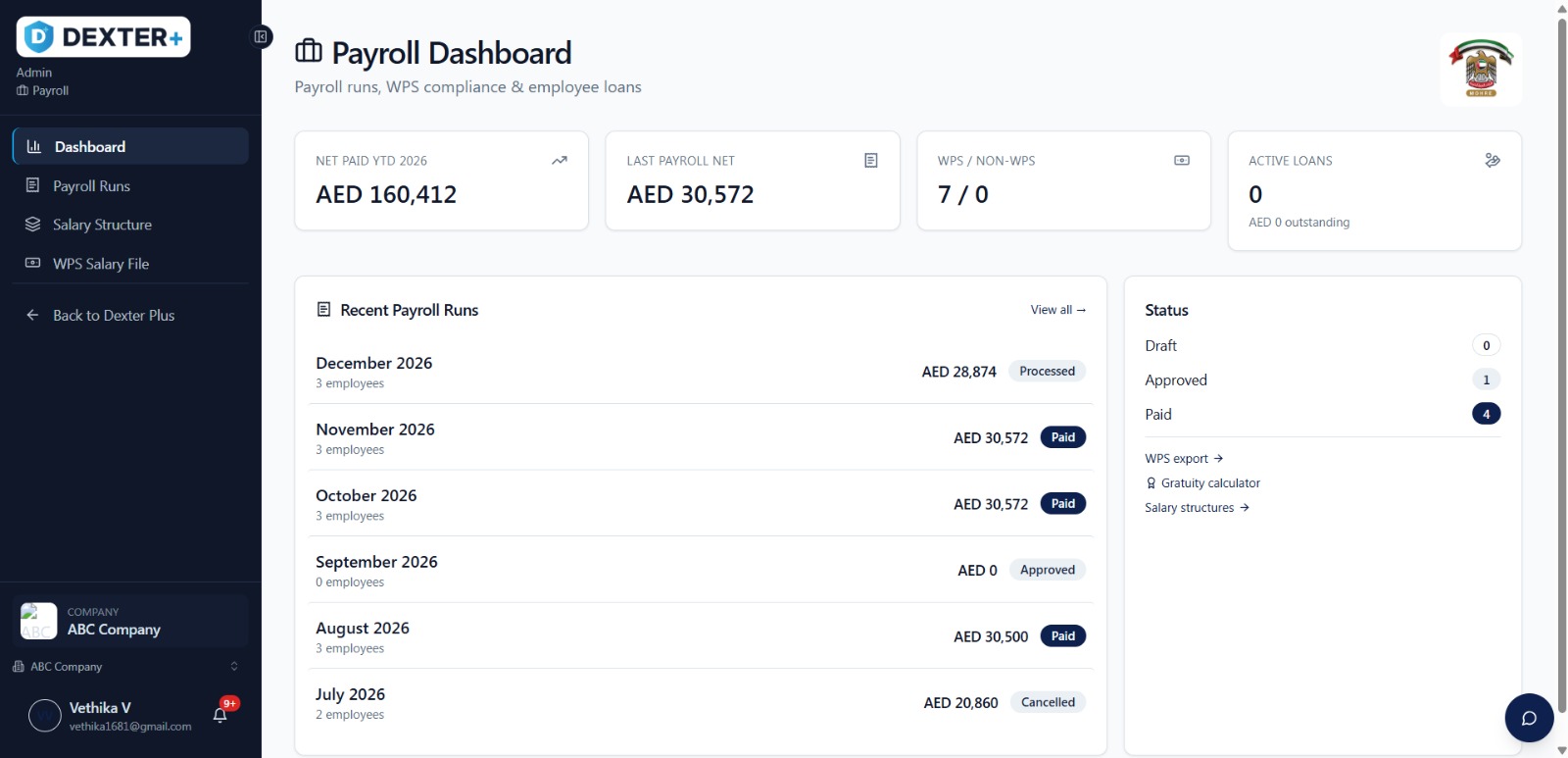
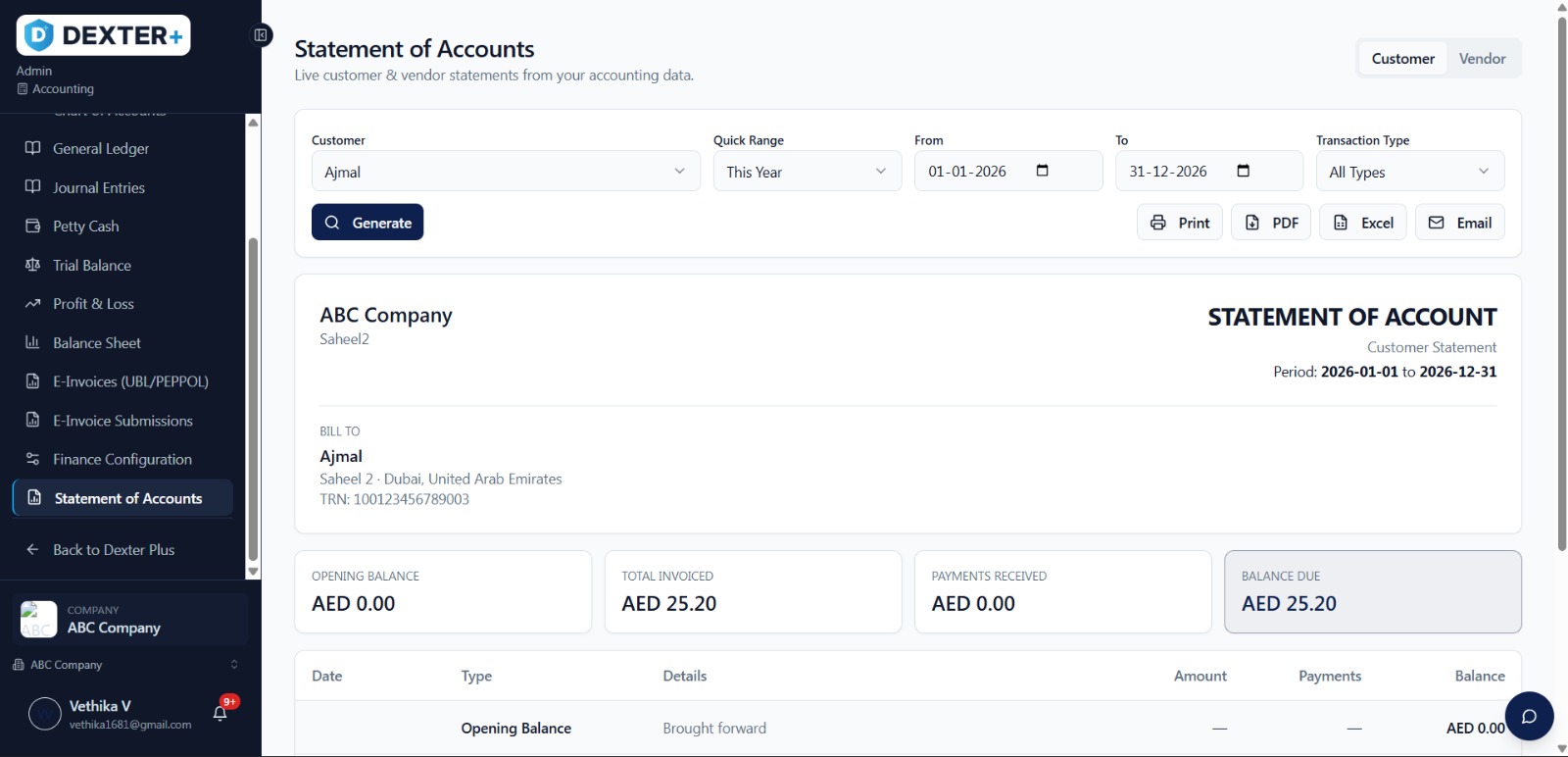
Run each clinic or hospital as its own entity and see consolidated reports for the whole group. Dexter Payroll pays multi-shift teams from approved attendance, staff claims flow through Dexter Expense, and role-based access keeps salary and personnel data visible only to the people who need it.
Dexter Plus runs staff, supplies, purchasing and finance. It does not store patient records, book appointments, dispense medicines or manage insurance claims, so it works alongside your clinical and billing systems.
A hospital information system manages patients, appointments and clinical records. An ERP manages the business: staff, supplies, purchasing and finance. Most healthcare groups use both.
Count stock regularly, set minimum levels for key items, review usage by department and use older stock first.
Publish rosters early, spread night and weekend shifts fairly, track overtime closely and give staff a simple way to request leave.
Staff, supplies, purchasing and accounts, connected in one cloud ERP built for growing healthcare providers.