
Manage warehouse stock, crews, driver expenses, billing and accounts in one cloud platform. Dexter Plus gives logistics and distribution businesses one reliable back office behind every delivery.
Margins in logistics are tight, and most of the leaks happen away from the road.
Fuel, toll and parking receipts get lost or reach finance weeks late.
The same reliable drivers and loaders get every job, while others sit idle.
Warehouse figures drift away from what is actually on the racks between counts, and nobody can explain the gap.
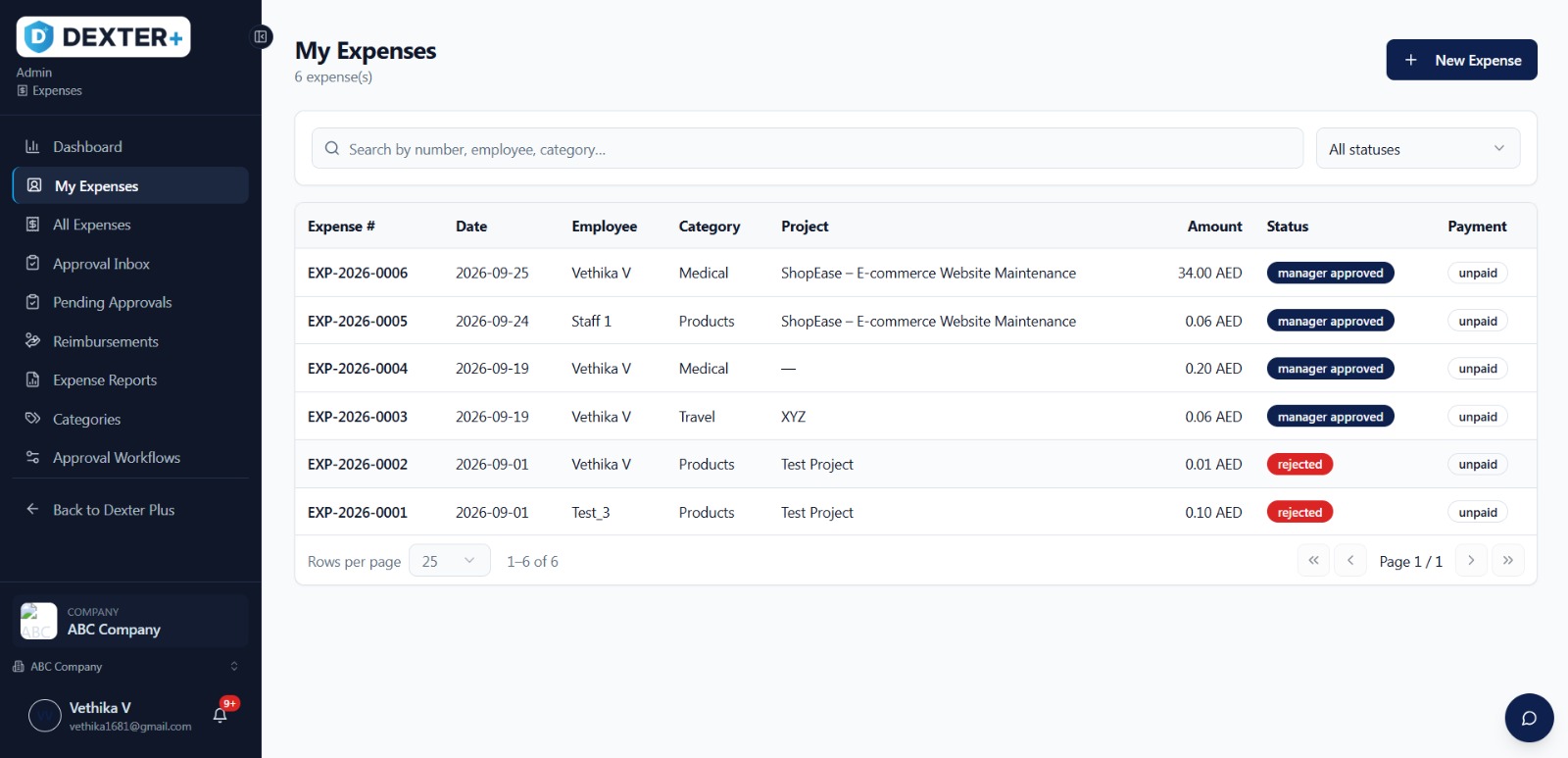
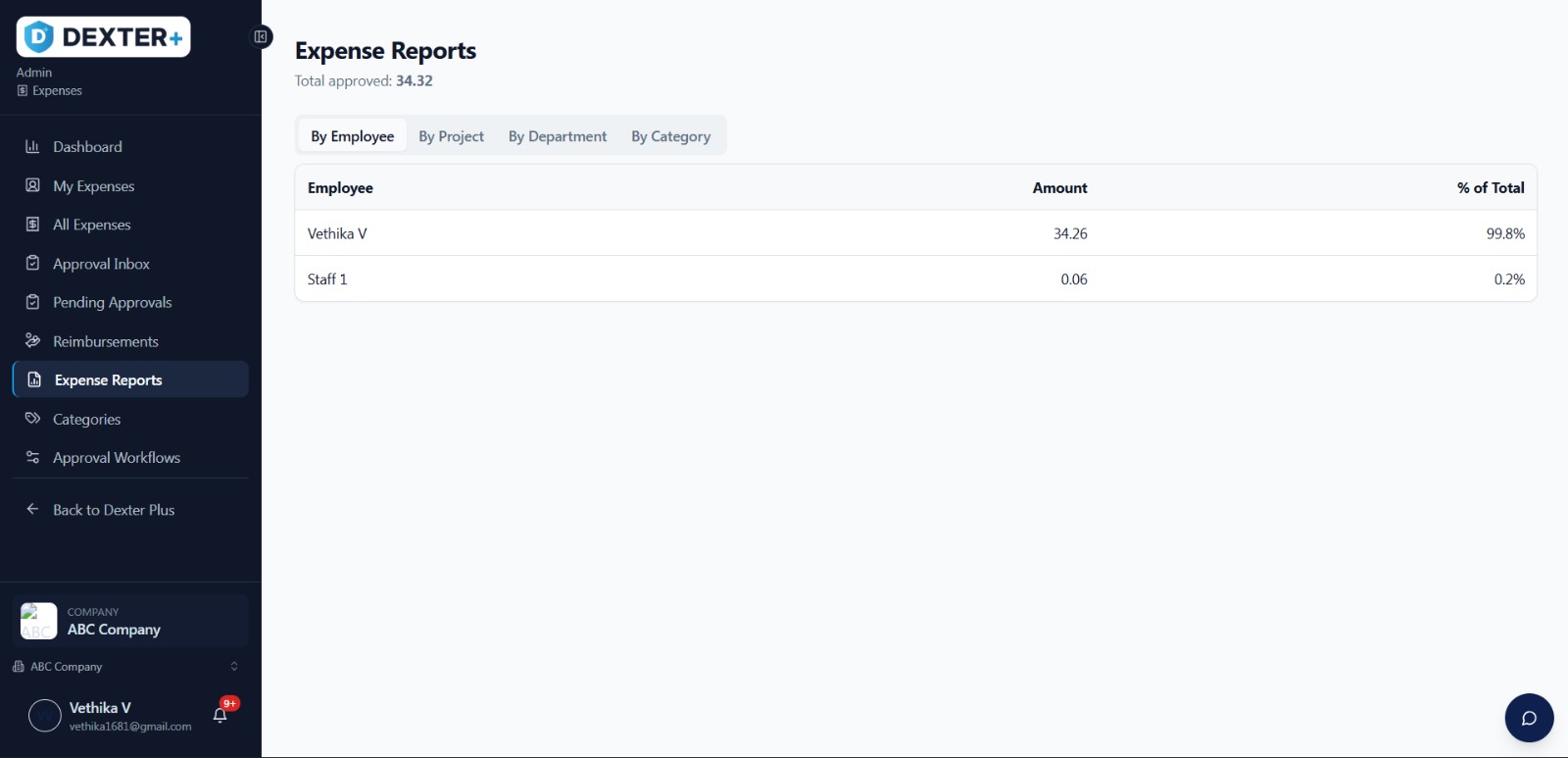
Drivers photograph several receipts at once and AI receipt scanning in Dexter Expense reads the details, flagging anything it is unsure about for a quick check. Claims follow your approval rules, and finance tracks every reimbursement and spend by category in one dashboard. Confirmed receipt data can also be exported to Excel or Google Sheets.
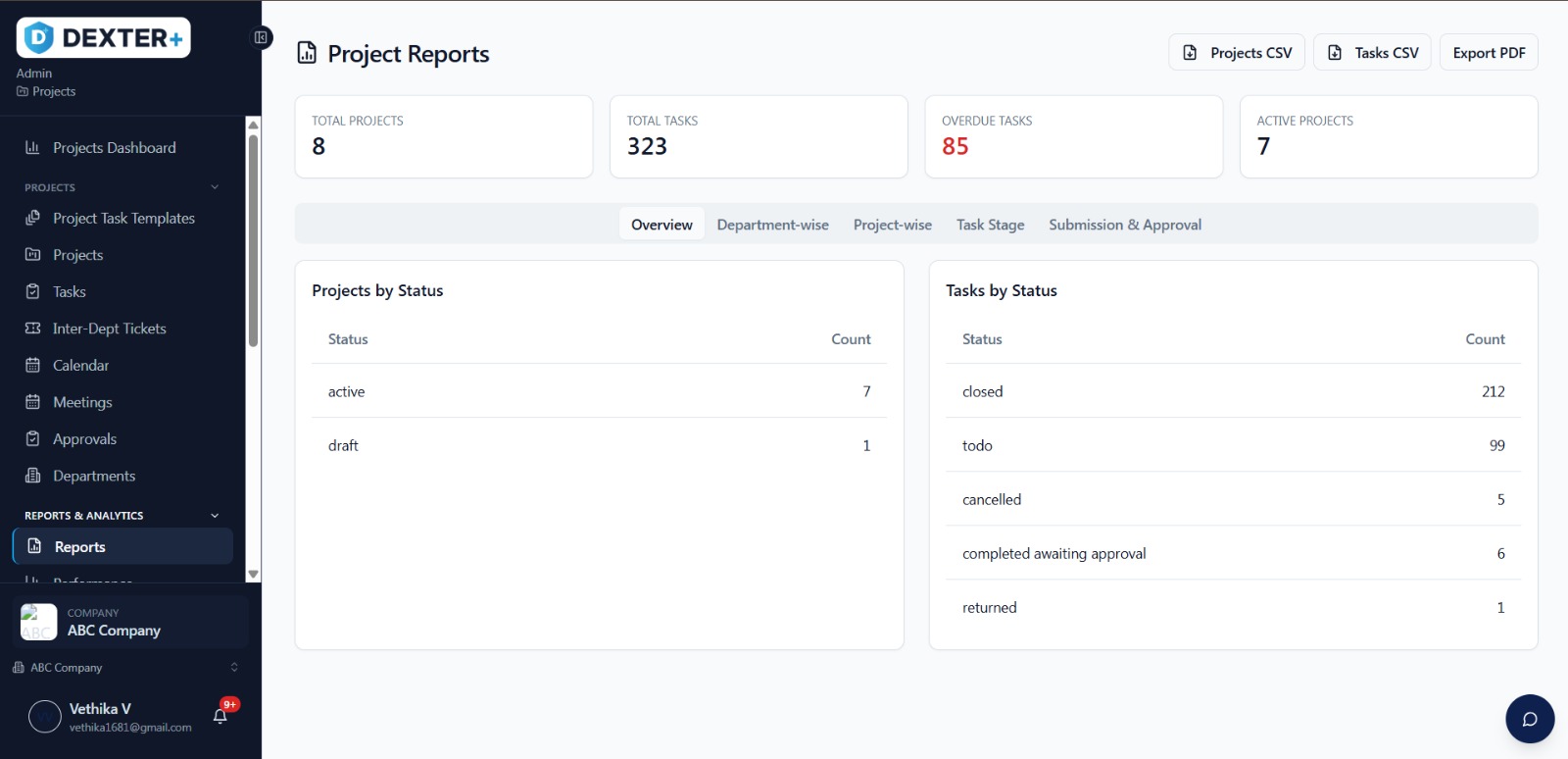
Plan shifts and track attendance and leave in Dexter Resource. With WorkTrack by Dexter AI connected, describe a job and the skills it needs, and receive a ranked shortlist that leaves out anyone on leave or already booked, with travel time allowed between back-to-back jobs. Workload tracking spots overloaded staff, and when internal capacity runs out you can record external contractors against the job.
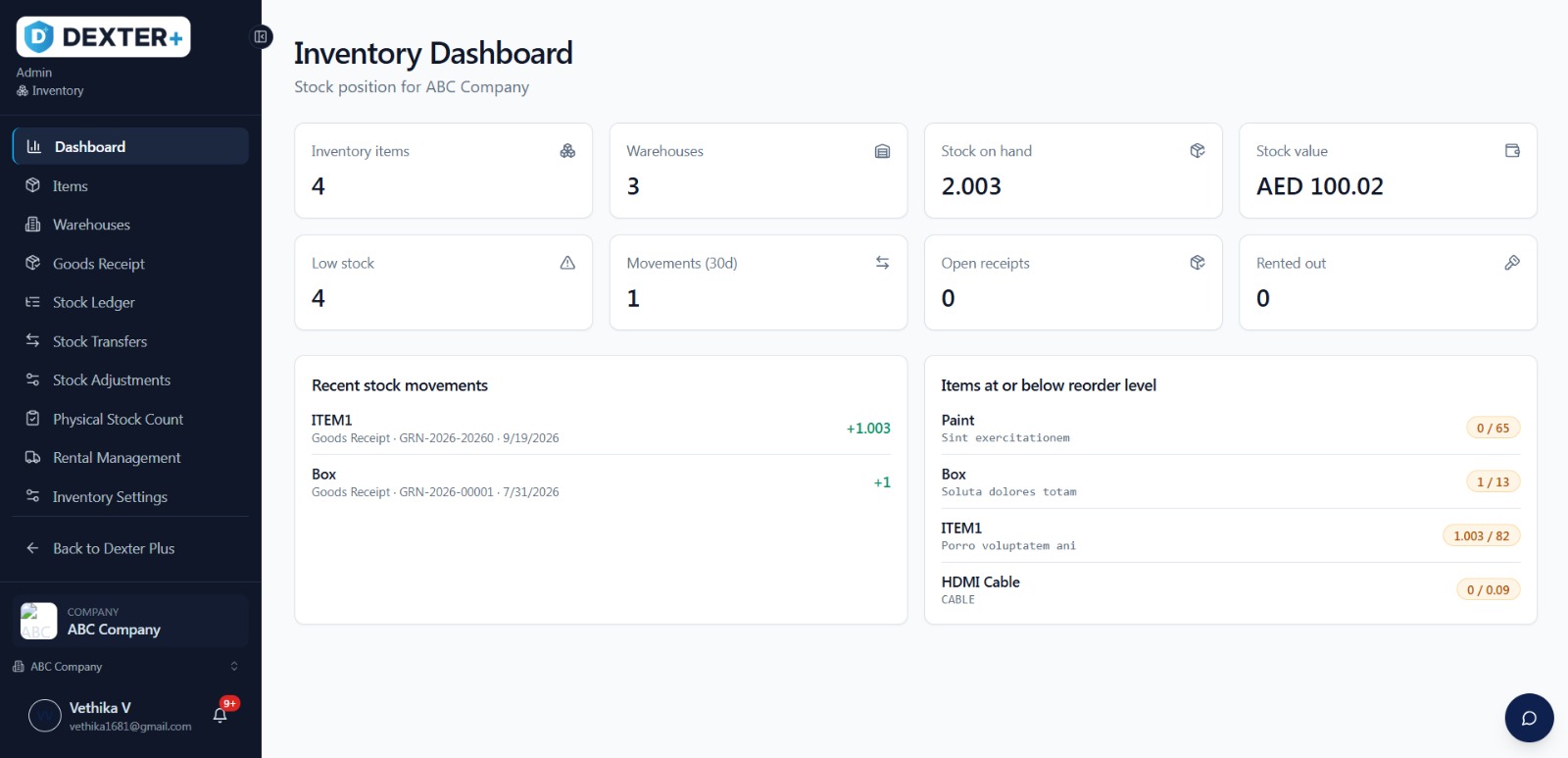
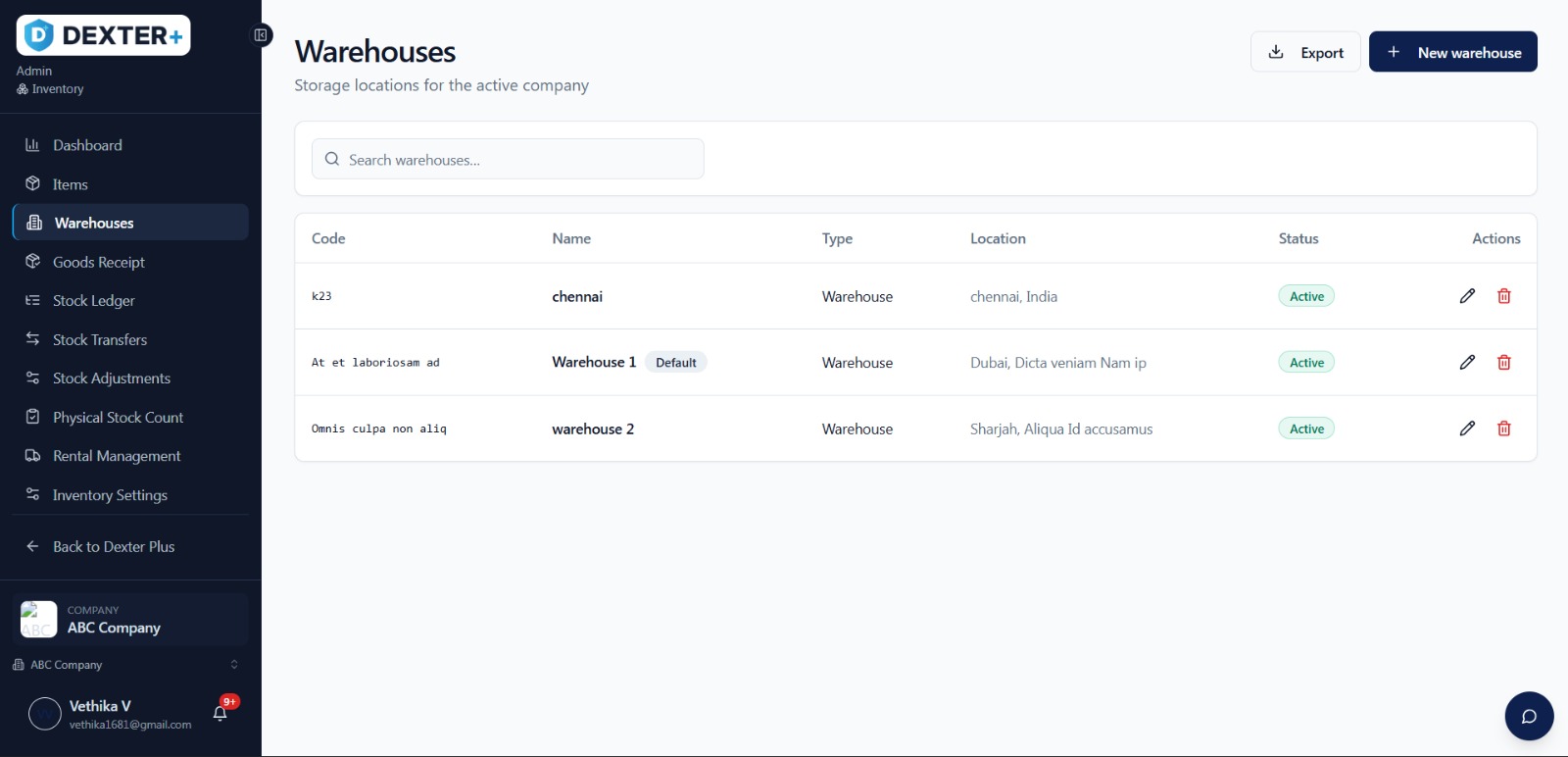
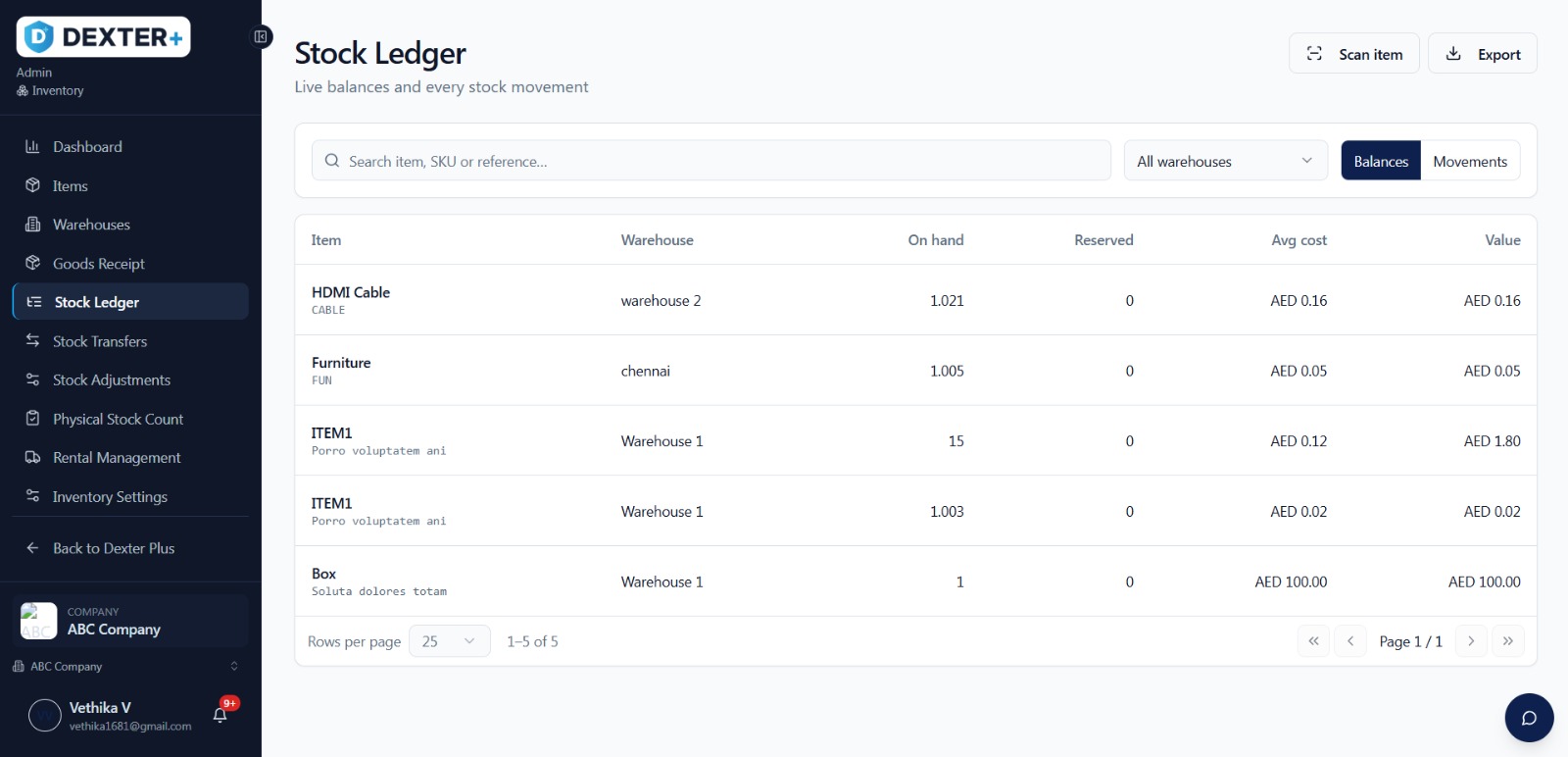
Track stock across warehouses and depots in Dexter StockFlow. Goods receipts record inbound deliveries, transfers record moves between sites, and physical counts keep records honest. The dashboard highlights low stock and open receipts before they hold up an order.
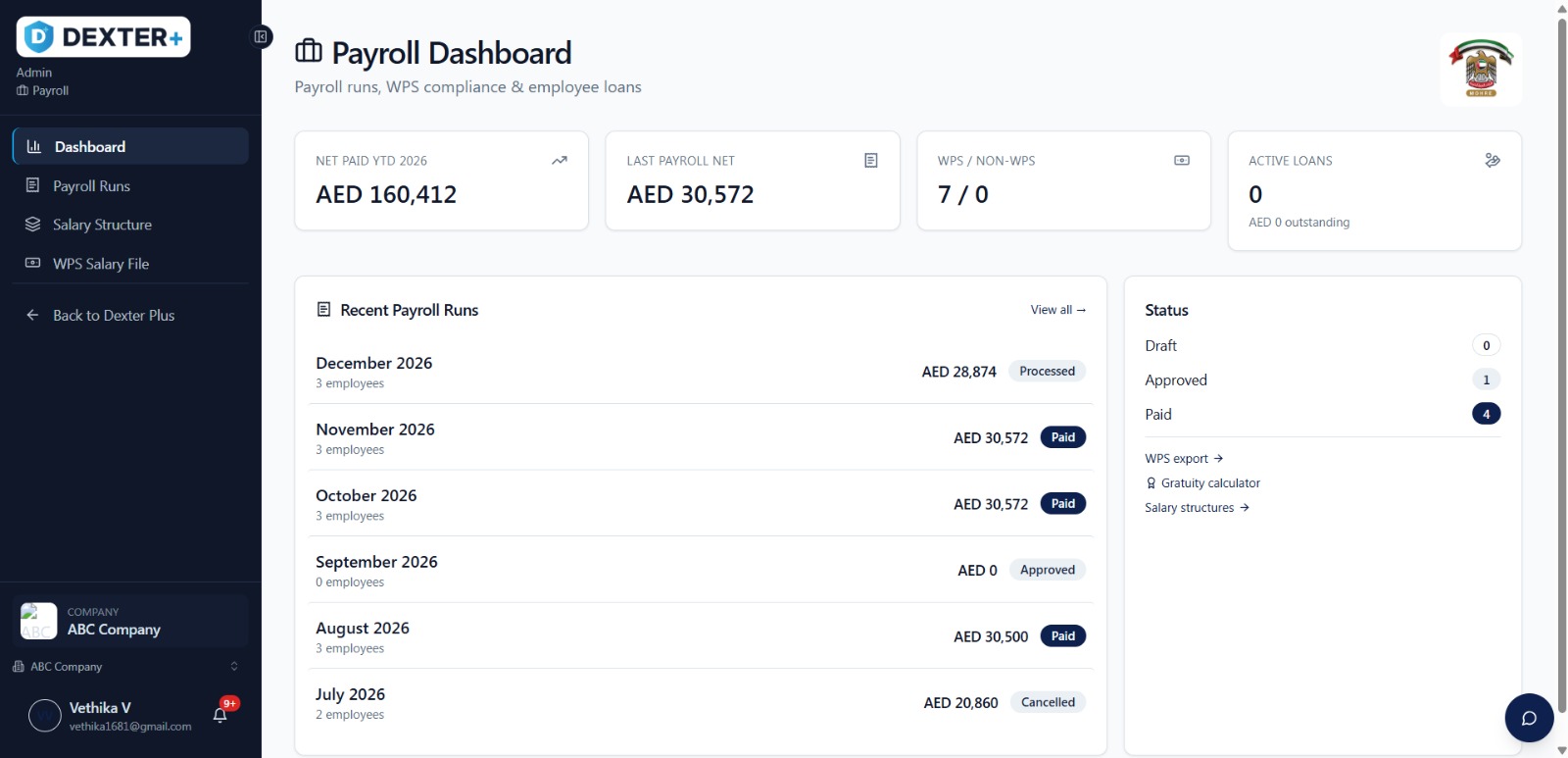
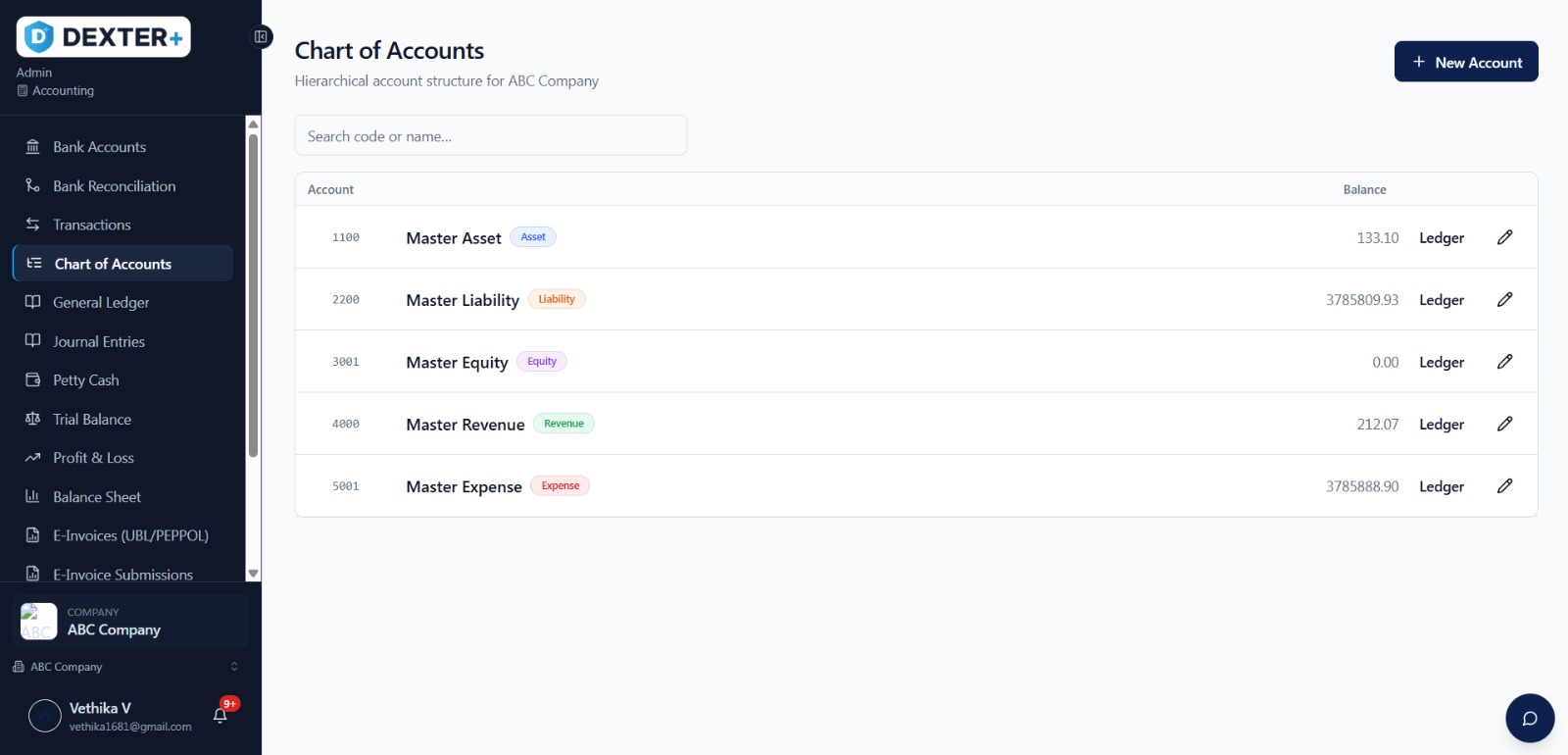
Invoice customers, record supplier bills and reconcile bank activity automatically in Dexter Finance, with multi-currency for cross-border work. Dexter Payroll pays drivers and warehouse staff from approved attendance and prepares bank salary files, while every cost lands in one real-time ledger.
Dexter Plus is the finance, people and stock layer of your business. It does not plan routes, dispatch vehicles or track fleets, so it works alongside the transport and tracking tools you already use.
A transport management system plans and tracks shipments. A warehouse management system runs operations inside the warehouse. An ERP connects finance, people, purchasing and stock across the whole business.
Capture every fuel and toll receipt promptly, review fuel and trip spend every month, and act on unusual patterns quickly rather than at year-end.
Invoice as soon as a delivery is confirmed, follow up overdue accounts on a fixed schedule, and reconcile payments weekly so gaps are caught early.
Stock, crews, expenses and accounts, connected in one cloud ERP built for growing logistics businesses.